We’ve learned a lot about the death penalty in the last 50 years
For decades, we have tinkered with the death penalty in an effort to make it fair, accurate, and effective. Yet the system continues to fail. The mounting evidence of waste, inaccuracy, and bias has shattered public confidence in the criminal justice system. Death sentences are at an all-time low and public support for the death penalty has dropped. More and more of us are questioning the death penalty and realizing that it does not square up with conservative principles and values.

The risk of wrongful execution is real
DNA evidence has led to hundreds of exonerations, but it isn’t available in most cases. Despite our best intentions, human beings simply can’t be right 100% of the time. And when a life is on the line, one mistake is one too many.
The death penalty is a burden on taxpayers
The death penalty is longer and more complicated because a life is on the line – shortcuts could mean an irreversible mistake. For this reason, the death penalty costs millions more dollars than a system of life without parole – before a single appeal is even filed.
The death penalty fails victims’ families
The longer process prolongs the pain of victims’ families, who must relive their trauma as courts repeat trials and hearings trying to get it right. Most cases result in a life sentence in the end anyway – but only after the family has suffered years of uncertainty. To be meaningful, justice should be swift and sure – but the death penalty is just the opposite.
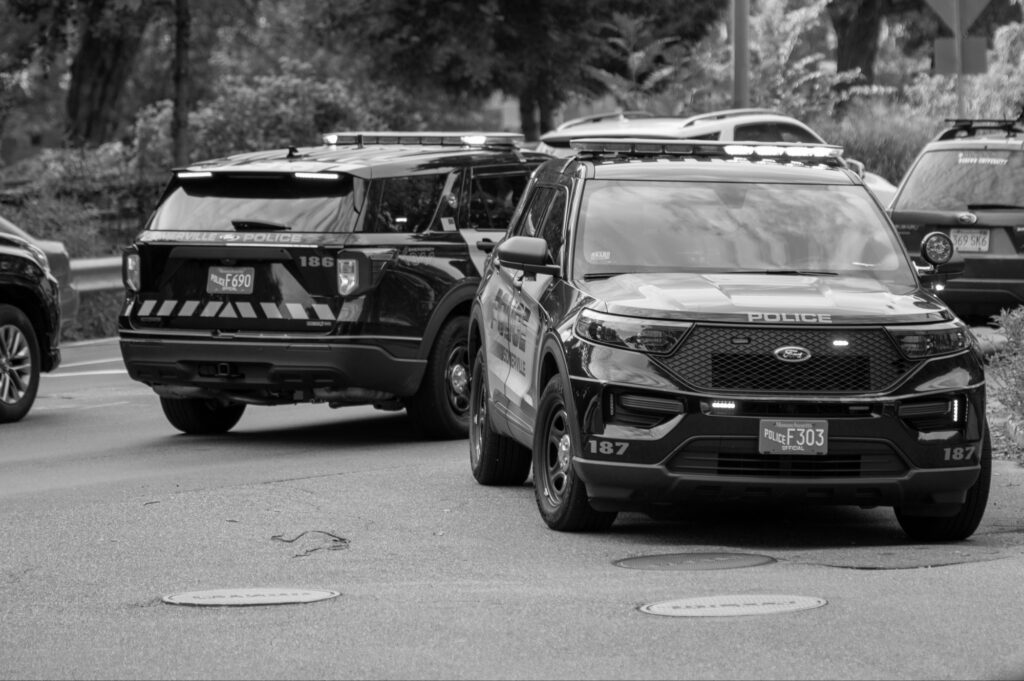
The death penalty doesn’t keep us safe
In the name of helping law enforcement, the death penalty concentrates enormous state resources on chasing a small handful of executions while thousands of cases go unsolved. It’s hardly surprising, then, that police chiefs rank the death penalty last among public safety tools.
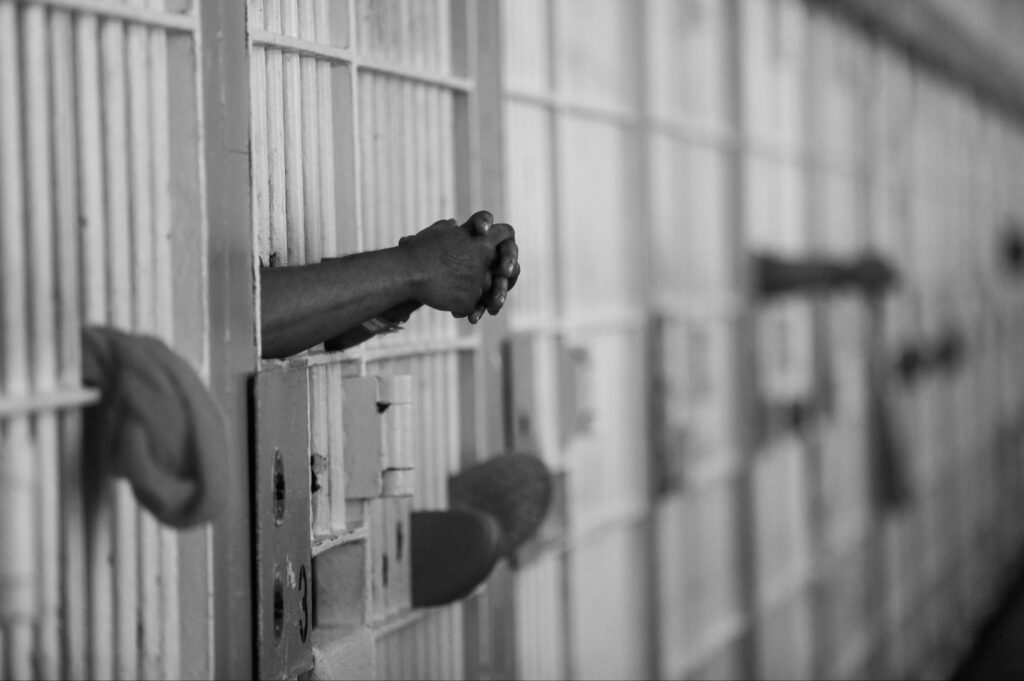
Fairness in the death penalty is a moving target
We expect justice to be blind. Otherwise it’s not justice at all. Yet poor defendants sentenced to die have been represented by attorneys who were drunk, asleep, or completely inexperienced. Geography often determines who lives and dies, and after 30 years we have not found a way to make the system less arbitrary. Every effort to fix the system just makes it more complex – not more fair.
The Death Penalty is Incongruent with Pro-Life Values
As we have examined the death penalty more closely through the years, many conservatives have started asking a difficult question: If human life is sacred, do we reserve the right to deliberately end it for those guilty of heinous crimes?